Pilates history
The Original Story of Pilates: Joseph Pilates and Contrology
iSPilates Studio4 min read
More than just a workout
Pilates.
These days, almost everyone knows the word. Reformer studios, mat classes, beautifully designed boutique spaces – and more and more people who don't just want to work out, but want to truly understand and use their own body.
Yet Joseph Pilates never actually called his method Pilates.
He called it Contrology.
And that one word tells you almost the whole story.
The man behind the method
Joseph Hubertus Pilates was born in Germany in 1883. From a young age, he was fascinated by how the human body works and how it can be developed. He explored gymnastics, bodybuilding and many other forms of movement, and along the way an idea took shape that would later become the foundation of his entire system:
body and mind are not two separate things.
Strength alone isn't enough for a body that works well.
You need control. Coordination. Breath. Mobility. Balance. Precision. And an awareness of what your body is doing at any given moment.
It may sound obvious today. In the early 20th century, it was a genuinely modern way of thinking.
Contrology – movement you don't just perform
At the heart of Joseph Pilates' method was never the idea of doing as many reps as possible, or simply wearing yourself out.
Quite the opposite.
The goal was to master the movement.
That's where the name Contrology comes from: conscious control of the body through the mind.
That's why a Pilates exercise can look surprisingly simple from the outside. Then you try to do it properly – with the right breathing, a stable core, correct alignment and a controlled tempo – and suddenly it's a completely different story.
And that is still one of the things that makes Pilates so special:
it's not about moving more. It's about moving better.
Then came the curious machines
Joseph Pilates didn't just create a system of movement. He designed equipment for it, too.
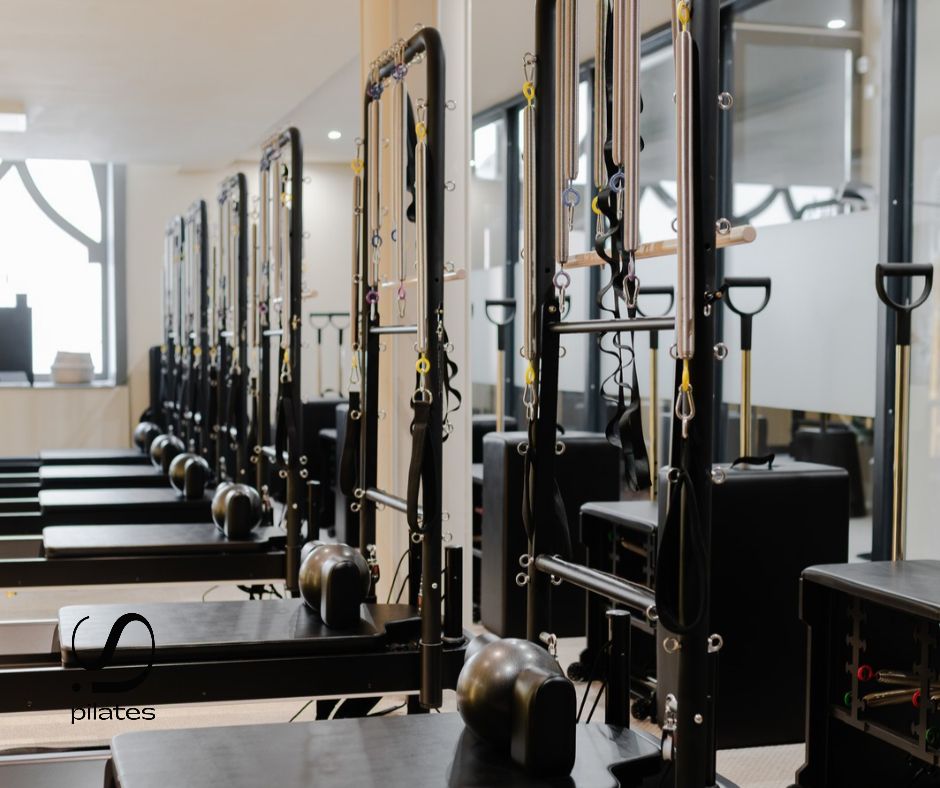
The best known is, of course, the Reformer, but the original system also included several other pieces of apparatus, among them the Cadillac and the Wunda Chair.
It's easy to misunderstand what these machines are for.
They weren't built to do the work for you.
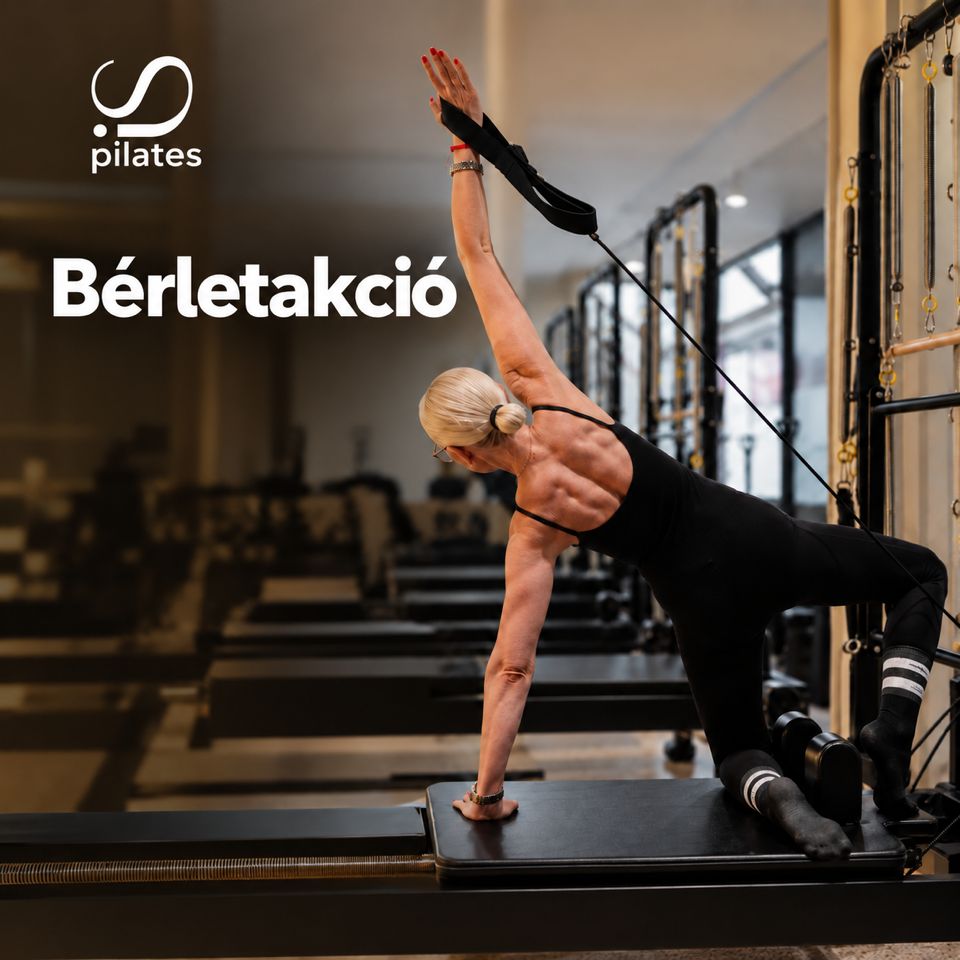
Springs, straps and supports can offer both assistance and resistance. They can help you learn a movement pattern, refine your technique, or make an exercise considerably more challenging.
That's why mat work and apparatus work are so closely connected.
A different setting. The same body. The same principles of movement.
New York and a new movement culture
In the 1920s, Joseph Pilates moved to the United States, where he and his wife Clara opened a studio in New York.
The method became especially popular with dancers and performers – and not by chance. For them, the body was both their instrument and their working tool. They needed strength, but just as much mobility, coordination, precision and recovery.
Over time, Contrology grew into a movement culture of its own.
Joseph Pilates died in 1967, but his method lived on through his students and has continued to evolve around the world ever since.
What remains of Joseph Pilates' original idea?
A great deal.
Modern Pilates has, of course, changed a lot. Today we know far more about anatomy, biomechanics, rehabilitation and movement science than we did a hundred years ago.
But the core of the method's spirit is still easy to recognise:
- control
- concentration
- precision
- breath
- flowing, mindful movement
- a stable centre
And perhaps most importantly: movement isn't a task you complete on autopilot.
It's attention.
Noticing how you stand. How you breathe. Where you stabilise. Which muscle is working. Where you compensate. How you can perform the same movement with more and more precision.
That is body awareness.
More than a hundred years later
Joseph Pilates would probably be surprised if he walked into a modern Pilates studio today.
The setting has changed. The equipment has evolved. Our understanding of anatomy has come a long way. Pilates has branched into many modern schools and styles.
But when someone steps onto a Reformer or lies down on a mat, takes a mindful breath, stabilises their body and begins the first movement with control, a very old story continues.
They're not just doing an exercise.
They're learning their own body.
And perhaps that's exactly why an idea more than a century old still feels so modern.
iSPilates – The Body Awareness Concept.
Here every change is yours.
Discover Pilates at iSPilates in the heart of Budapest – get to know your body, progress mindfully and find out what you're capable of. Book your class now!
Related class: Classes