Beginners
Your First Pilates Class: How to Prepare and What to Expect
iSPilates Studio4 min read
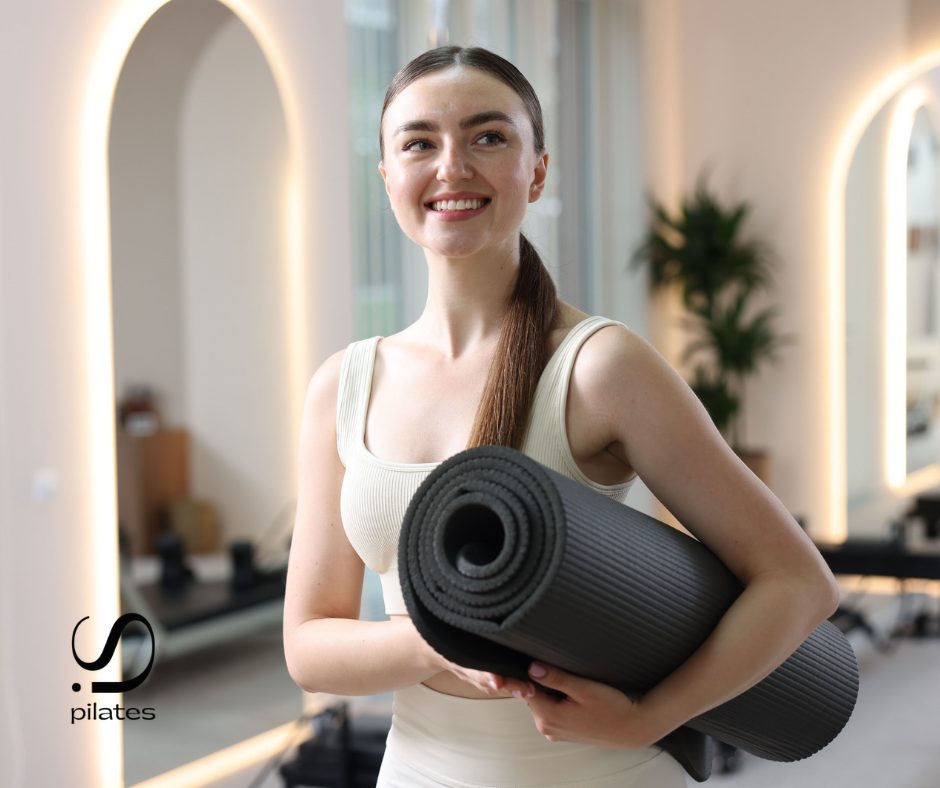
You don't need to be ready to take the first step. You're coming to start getting better.
Trying a new kind of workout always comes with a few doubts. Am I fit enough? Flexible enough? Will I be able to keep up? And which Pilates class should I even choose?
The good news is that Pilates doesn't expect you to arrive at a certain fitness level. Quite the opposite: it starts from your body, what you can do right now, and where you'd like to get to, step by step.
So your first class isn't a test. It's more like getting to know your own body in a new way.
Reformer or Mat Pilates?
One of the most common questions is which type of class to start with.
Reformer Pilates is done on a special machine that uses spring resistance. The way it's built means it can both support you and make exercises more challenging, so the load and range of movement can be adjusted to suit you.
The Reformer is a particularly interesting experience if you're new to Pilates. It helps you feel the direction of a movement, the resistance, your body position, and muscles that rarely get your conscious attention in everyday life.
Mat Pilates, on the other hand, relies mainly on your own body weight and gravity. Here you experience stability, balance and control more directly.
Neither is better than the other. They use different tools, but they share the same goal: improving the quality of your movement.
At iSPilates, both classes are built on mindful, precise and controlled movement. If you're not sure which to choose, it's worth checking with an instructor beforehand.
What should you bring?
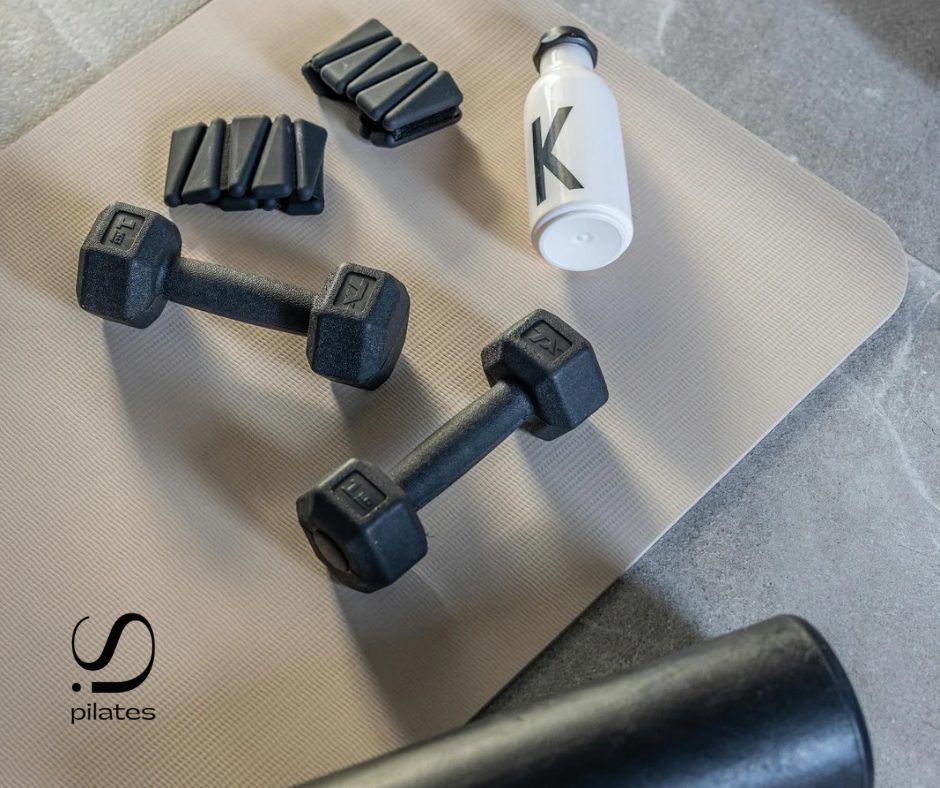
One of the great things about Pilates is that you don't need any special gear for your first class.
Wear comfortable, fairly close-fitting activewear that lets you move freely. Very loose clothing can make it harder to check your alignment, so well-fitting workout clothes are the practical choice.
For Reformer classes, grip socks are especially useful – and some studios require them.
Bring some water, and arrive a few minutes early for your first session. That gives you time to get to know the studio, the equipment and your instructor.
You don't have to be flexible
Plenty of people put off their first Pilates class because they feel they're not flexible or strong enough.
But flexibility, strength, stability and coordination are exactly the kinds of abilities that regular Pilates practice can help develop.
Exercises come in different levels. A good instructor doesn't just demonstrate a movement – they help you find the version you can do safely and with good control.
The goal isn't to nail every exercise the first time.
It's to understand what you're doing, and why.
What to focus on in your first class
You'll probably hear a few cues you don't often come across in other workouts.
The position of your pelvis. The natural curves of your spine. Stability through your shoulder blades. The rhythm of your breathing. Engaging your core.
It can feel like a lot at first.
But one of the defining features of Pilates is that it cares not just about doing a movement, but about how well you do it.
Even a simple-looking exercise can take real concentration when you do it with full awareness.
Don't try to get every cue perfect at once. Listen to your instructor, ask questions, and give yourself time to learn.
If you feel pain or any unusual discomfort, say so. The workout should adapt to you – not the other way round.
How will you feel afterwards?
It's different for everyone.
You might notice muscles you've never paid much attention to. You may feel some mild muscle fatigue, or be surprised by how intense slower, controlled exercises can be.
Others mostly start paying more attention to their posture, their breathing or the precision of their movement.
Your first session isn't about dramatic physical results, though.
It's about starting to relate to your body in a different way.
Your first class is just the beginning
The effects of Pilates don't come from one great workout.
Consistency, gradual progression and increasingly precise movement work together to create progress you may notice over the longer term.
In your first class, you're still learning the exercises.
After a few weeks, you'll understand the movements better, start to recognise your own compensations, and use your body with more awareness.
And over time, you may notice changes that go beyond the studio.
Pilates doesn't expect you to arrive ready. It gives you the chance to grow.
Related class: Classes