Classes
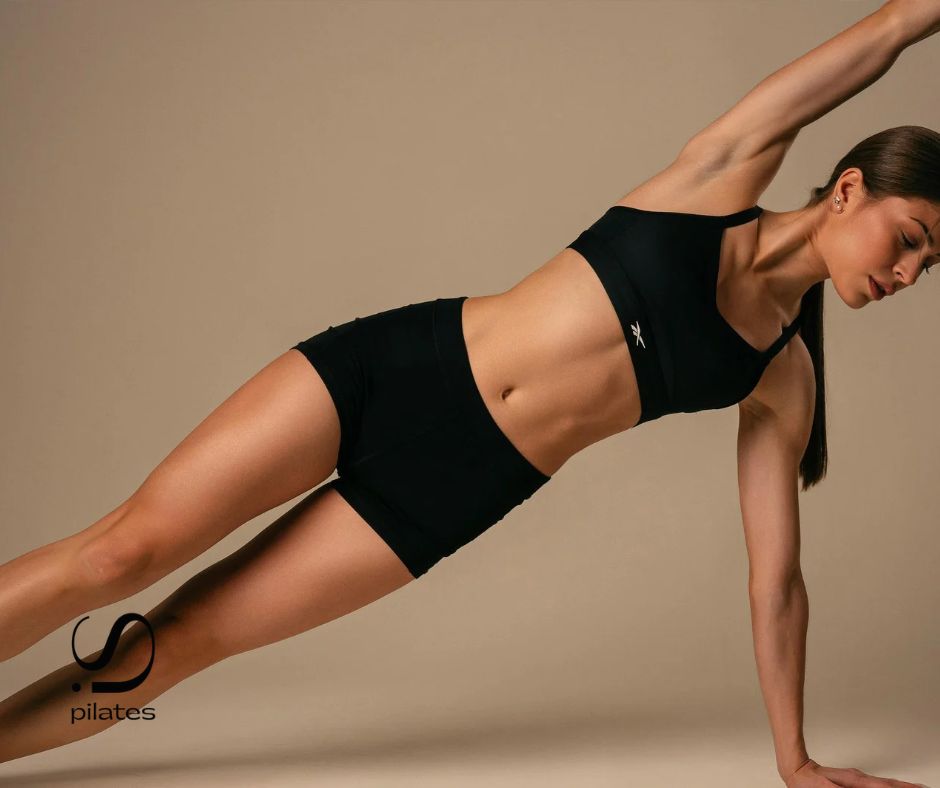
Mat Pilates: The True Foundation of Pilates
iSPilates Studio3 min read
Before the Reformer, there was the body
The Reformer is impressive.
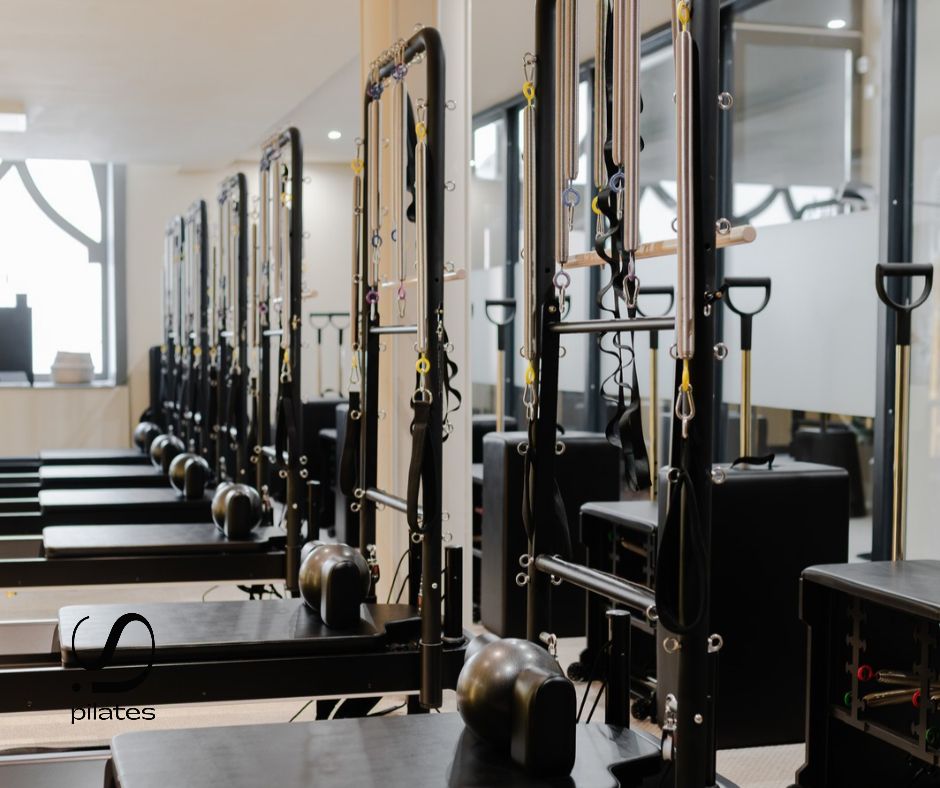
Springs, straps, a moving carriage, endless settings – and a good Reformer class can introduce you to muscles that clearly hadn't been on speaking terms with you before.
It's no surprise that Reformer Pilates has become hugely popular all over the world in recent years.
But there's something that's easy to forget: the foundation of Pilates isn't the machine. It's the body.
And nowhere can you feel that more clearly than in Mat Pilates.
It looks simple. It isn't necessarily.
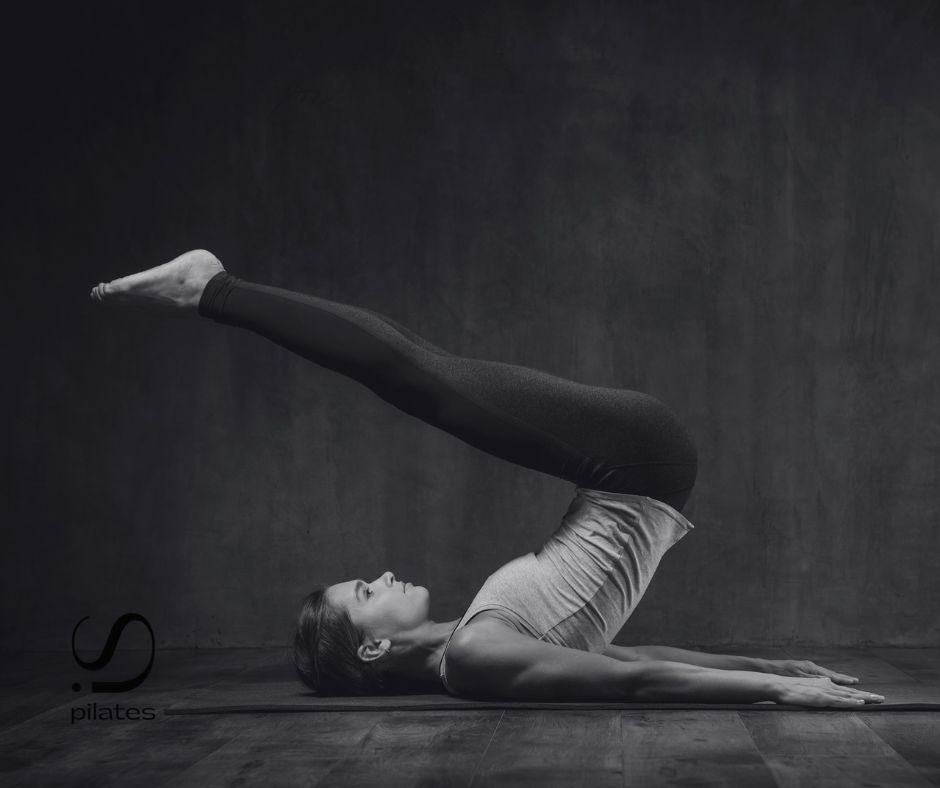
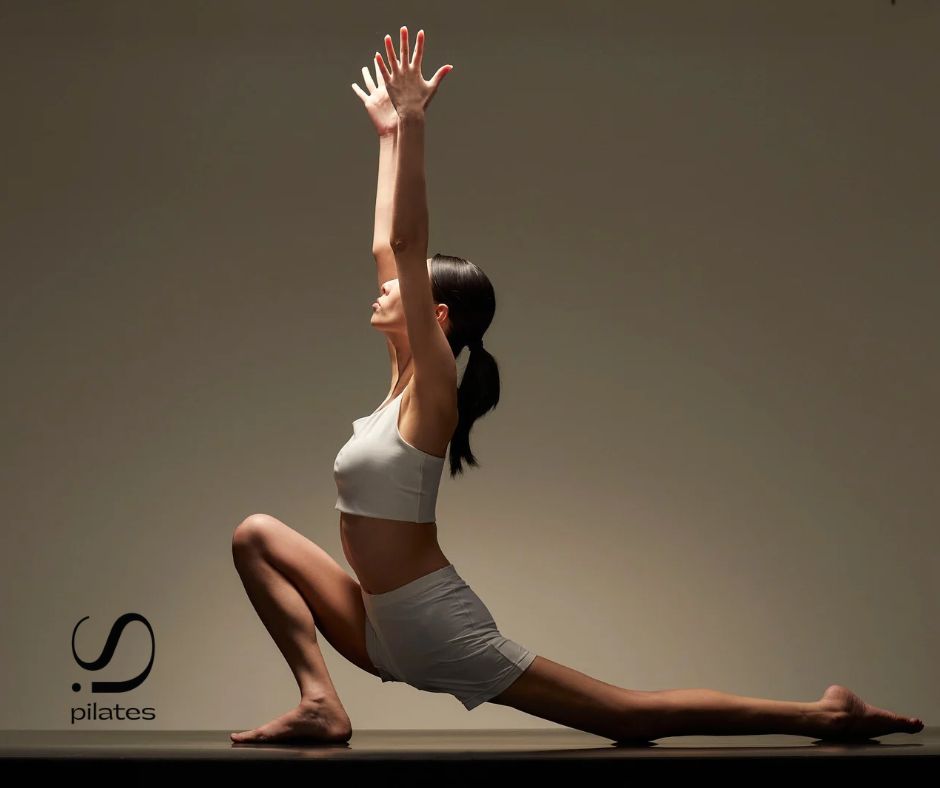
A mat. Your own body. Gravity.
At first glance, it seems like less than a studio full of Pilates apparatus. In reality, that's exactly what makes it so interesting.
On the mat, there's no carriage guiding the movement, no springs to help you out in certain positions, and much less external feedback.
You have to create the control yourself.
Stabilise your torso. Hold your pelvis steady. Direct your arms and legs. Coordinate your breath with the movement. And all the while, notice when your body would rather take the easy way out.
Because of course it would.
The body can be remarkably creative when it comes to a little cheating.
At the heart of Joseph Pilates' system
Joseph Pilates' original series of floor exercises was a defining part of his method. The classical Mat repertoire is made up of exercises that build on one another, developing strength, mobility, coordination and control all at once.
The Pilates apparatus – including the Reformer, the Cadillac and the Wunda Chair – wasn't created to replace this work.
In many cases, it was designed to help the body get there.
Springs can add resistance, but they can also offer support. The apparatus gives you feedback on your movement, can help you find the right pattern, or can make things more challenging.
But the goal stays the same: to master your own body with more and more awareness.
Reformer or Mat?
Both.
They're not rivals – they're different tools within the same system.
On the Reformer, you can learn to sense a movement more precisely. On the mat, you find out how well you can create that same movement without any outside help.
And the mat is very honest.
If your core isn't stabilising properly, you'll feel it. If you're relying on momentum, that soon becomes obvious too. And when an exercise that once felt hard suddenly becomes lighter and more controlled, you know for sure that something has changed.
Not the mat.
You.
Pilates you can take with you
Mat Pilates has one more special quality: you can take it almost anywhere.
You don't need a big machine or a special space, because the most important Pilates tool is always with you – your own body.
That's why mat work isn't a "simpler version" of the Reformer, and it's certainly not a second-tier class.
It's one of the purest forms of Pilates.
It teaches you to stabilise, control, breathe, concentrate and move with precision. And it takes everything you've learned on the Reformer and brings it to where you really need it in the end: the way you move every day.
Because the ultimate goal of Pilates isn't to get better and better at using a machine.
It's to get better and better at using your body.
Related class: Classes